The American Goldfinch, scientifically known as Spinus tristis, is a small, vibrant bird commonly spotted in the Summerville, South Carolina area. Known for its striking yellow plumage, especially in males…
Read More
The Yellow-rumped Warbler, scientifically known as Setophaga coronata, is a captivating songbird commonly found in the Summerville, South Carolina area. This small bird is known for its distinctive yellow patch…
The American Robin (Turdus migratorius) is a familiar sight in Summerville, South Carolina, known for its vibrant orange-red breast and cheerful song. This species, first described by Linnaeus in 1766,…
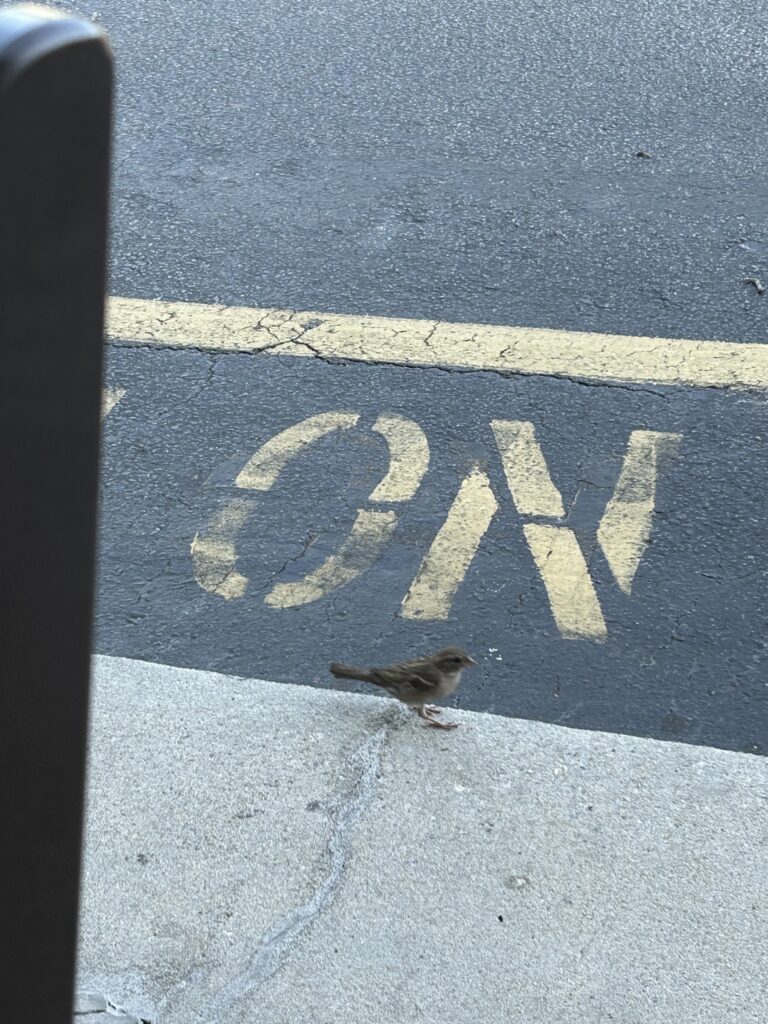
The Chipping Sparrow, scientifically known as Spizella passerina, is a charming bird that can be spotted in and around Summerville, South Carolina. This small passerine is easily recognizable by its…
The Northern Cardinal, scientifically known as Cardinalis cardinalis, is a striking bird commonly seen in the Summerville, South Carolina area. This species is easily recognizable due to its vibrant red…
The Mourning Dove, scientifically known as Zenaida macroura, is a beautiful and graceful bird commonly found in Summerville, South Carolina. Recognizable by its soft gray-brown plumage and long, pointed tail,…
The Red-shouldered Hawk, scientifically known as Buteo lineatus, is a captivating bird of prey that can be spotted in the lush landscapes around Summerville, South Carolina. This species is characterized…
The Eastern Bluebird, scientifically known as Sialia sialis, is a charming and vibrant bird commonly found in the Summerville, South Carolina area. This small passerine bird is easily recognized by…
The Downy Woodpecker, scientifically known as Dryobates pubescens, is a small and charming bird that can be spotted in the wooded areas around Summerville, South Carolina. This species is easily…
The Brown Thrasher, scientifically known as Toxostoma rufum, is a captivating bird species commonly observed in the Summerville, South Carolina area. With its distinctively patterned plumage, the Brown Thrasher exhibits…
The Carolina Chickadee, scientifically known as Poecile carolinensis, is a small, charming bird commonly found around Summerville, South Carolina. Recognizable by its distinctive black cap and bib, white cheeks, and…
Clapper Rail (Rallus crepitans) The Clapper Rail is a fascinating bird species that can be observed in the marshy areas surrounding Summerville, South Carolina. Known for its distinctive call, this…
The Pileated Woodpecker, scientifically known as Dryocopus pileatus, is a striking bird commonly seen in the woodlands around Summerville, South Carolina. This large woodpecker is easily recognized by its distinctive…
The Northern Mockingbird, scientifically known as Mimus polyglottos, is a fascinating bird species commonly found in Summerville, South Carolina. Recognized for its remarkable ability to mimic the songs of other…
Snowy Egret (Egretta thula) The Snowy Egret, scientifically known as Egretta thula, is a striking bird commonly observed in the wetlands and coastal areas around Summerville, South Carolina. This elegant…
The House Sparrow, scientifically known as Passer domesticus, is a familiar sight in urban and suburban areas, including Summerville, South Carolina. This small bird, first described by Linnaeus in 1758,…
The Carolina Wren, scientifically known as Thryothorus ludovicianus, is a charming and spirited bird commonly found in the Summerville, South Carolina area. Recognizable by its rich, warm brown plumage and…
The Great Egret, scientifically known as Ardea alba, is a striking bird commonly observed in the wetlands around Summerville, South Carolina. This majestic species stands tall with its elegant, slender…
The White Ibis, scientifically known as Eudocimus albus, is a striking bird commonly observed in and around Summerville, South Carolina. This species is easily recognizable by its long, curved bill…
The Canada Goose, scientifically known as Branta canadensis, is a species commonly observed in and around Summerville, South Carolina. This bird is easily recognizable due to its distinctive black head…