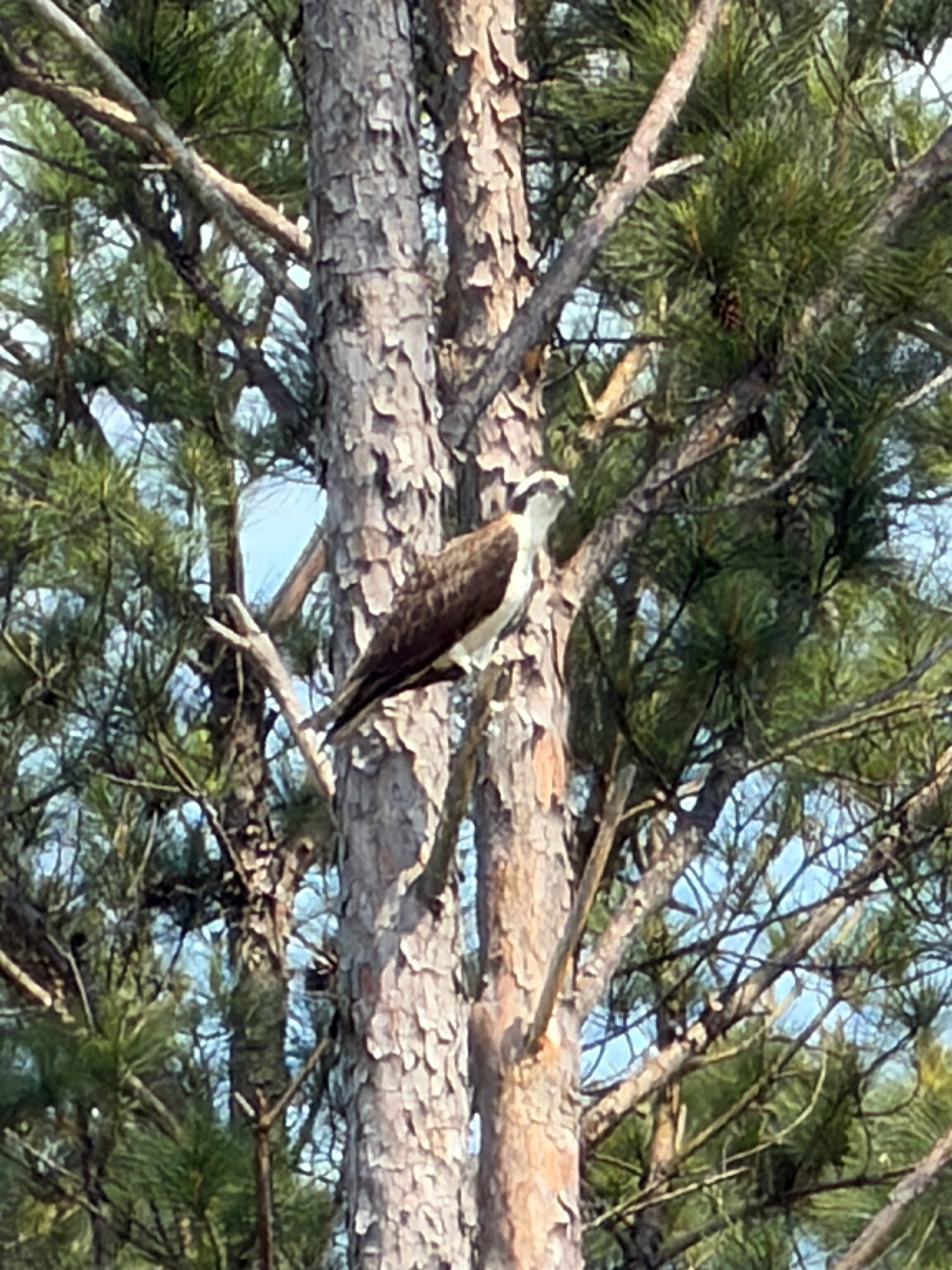
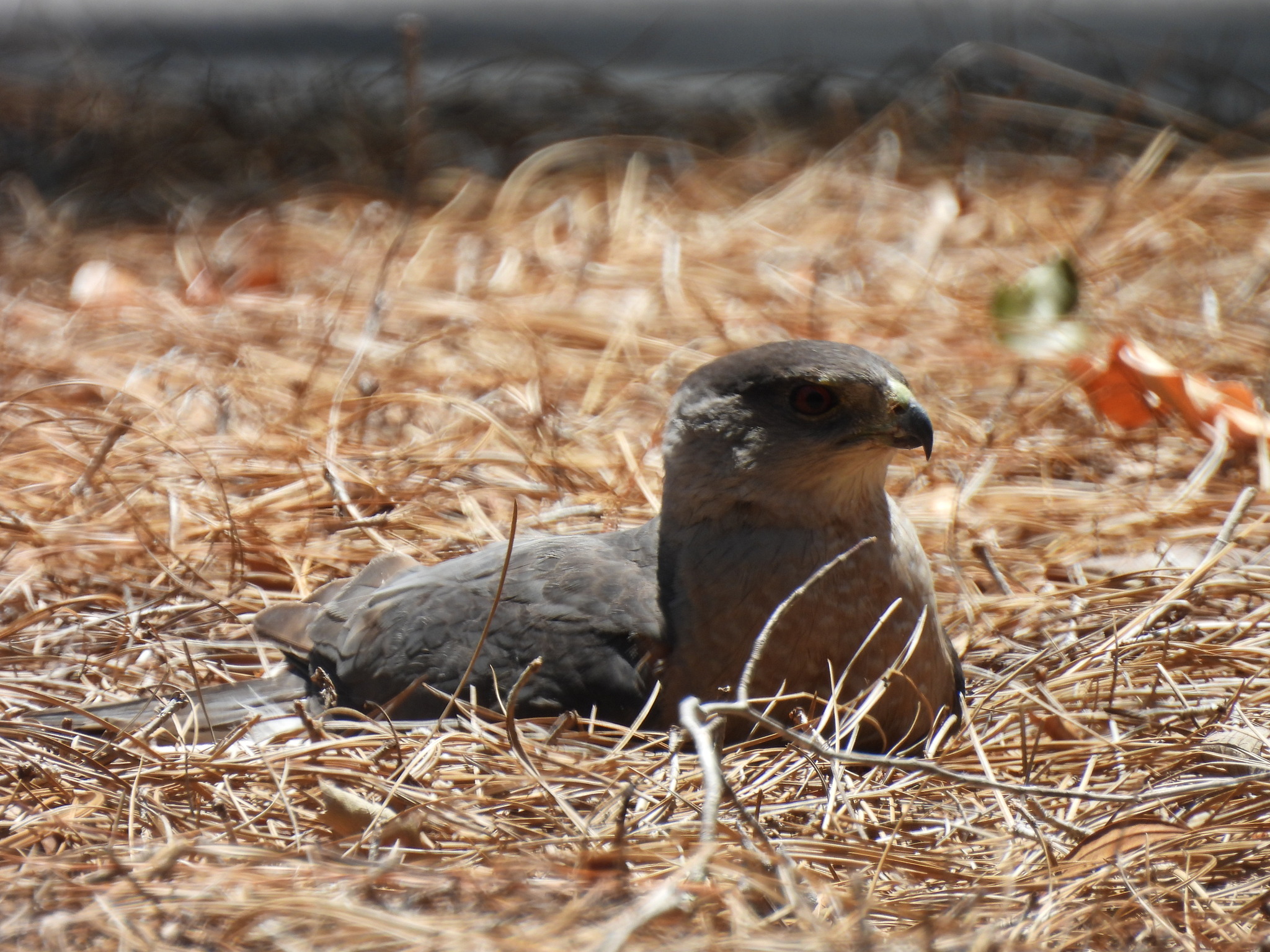
Black Vulture
The Black Vulture, scientifically known as Coragyps atratus, is a fascinating bird commonly observed in the Summerville, South Carolina area. This species, first described by Bechstein in 1793, is easily recognizable by its dark plumage and distinctive silhouette. Black Vultures are often seen soaring gracefully in the sky, utilizing their keen eyesight to spot carrion from great heights.
In Summerville, these birds have been spotted multiple times, with the first observation recorded on January 20, 2024, and the last on January 7, 2024. A total of six observations highlight their presence in the region, showcasing their adaptability to various habitats, including open fields and wooded areas. Black Vultures play a crucial ecological role as scavengers, helping to keep the environment clean by consuming dead animals.
These birds are social creatures, often seen in groups, and are known for their strong family bonds. They can be identified by their short, hooked beaks, which are perfectly adapted for tearing into carrion. If you’re lucky, you may catch a glimpse of these impressive vultures as they circle above or perch on trees, a true testament to the rich wildlife that thrives in and around Summerville.
| ID | 2481942 |
|---|---|
| Rank | species |
| Scientific Name | Coragyps atratus (Bechstein, 1793) |
| Common Name | Black Vulture |
| First Seen | 20/01/2024 12:00 am |
| Last Seen | 07/01/2024 12:00 am |
| Total Observations | 6 |
| ID | Author Name | Date/Time | Location |
|---|---|---|---|
| 5631697025 | obsr223764 | January 29, 2024 12:00 am | 33.00444, -80.17015 |
| 5451566028 | obsr678506 | January 22, 2024 12:00 am | 32.964558, -80.22541 |
| 5378144675 | obsr223764 | January 20, 2024 12:00 am | 33.00444, -80.17015 |
| 5537083379 | obsr678506 | January 9, 2024 12:00 am | 32.964558, -80.22541 |
| 5464152768 | obsr223764 | January 7, 2024 12:00 am | 33.00444, -80.17015 |
| 5564076624 | obsr223764 | January 2, 2024 12:00 am | 33.00444, -80.17015 |