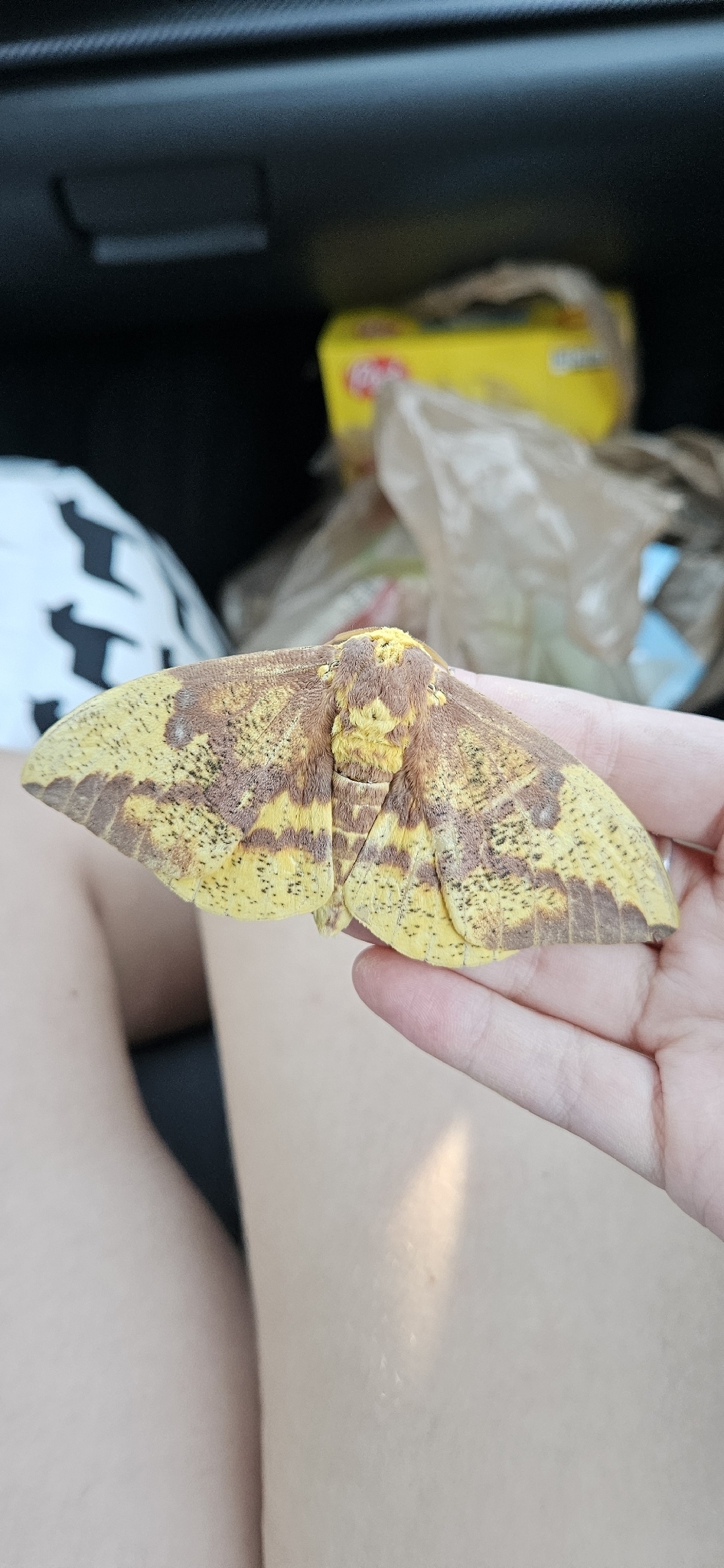
Imperial Moth
The Imperial Moth, scientifically known as Eacles imperialis, is a striking species that can be spotted around Summerville, South Carolina. First described by Drury in 1773, this moth is renowned for its impressive size and vibrant coloration. With a wingspan that can reach up to six inches, the Imperial Moth is one of the larger moth species found in North America.
The forewings of the Imperial Moth are a beautiful yellow-green hue, adorned with unique purple-brown markings that help it blend into its surroundings. The hindwings are a vivid yellow with large, eye-catching purple spots. This coloration not only serves as camouflage but also plays a role in attracting mates. The caterpillars of the Imperial Moth are equally fascinating, sporting a bright green color with spiny projections that can deter potential predators.
Adult Imperial Moths are primarily nocturnal, emerging at night to feed on nectar from various flowers. They are attracted to lights, making them a common sight in residential areas during warm summer nights. The lifecycle of the Imperial Moth includes a distinct pupal stage, where it transforms into its adult form, typically occurring in the late summer months.
<pFor nature enthusiasts and wildlife watchers, encountering the Imperial Moth is a delightful experience. Its presence adds to the rich biodiversity of the Summerville area, reminding us of the intricate and beautiful life forms that thrive in our environment.
| ID | 1865107 |
|---|---|
| Rank | species |
| Scientific Name | Eacles imperialis Drury, 1773 |
| Common Name | Imperial Moth |
| Attribution | Alex Richards | Alex Richards | iNaturalist | http://creativecommons.org/licenses/by-nc/4.0/ |
| First Seen | 18/07/2026 4:51 pm |
| Last Seen | 18/07/2026 4:51 pm |
| Total Observations | Yes |
| ID | Author Name | Date/Time | Location |
|---|---|---|---|
| 6470672820 | Alex Richards | July 18, 2026 4:51 pm | 33.011006, -80.219862 |
Related Wildlife
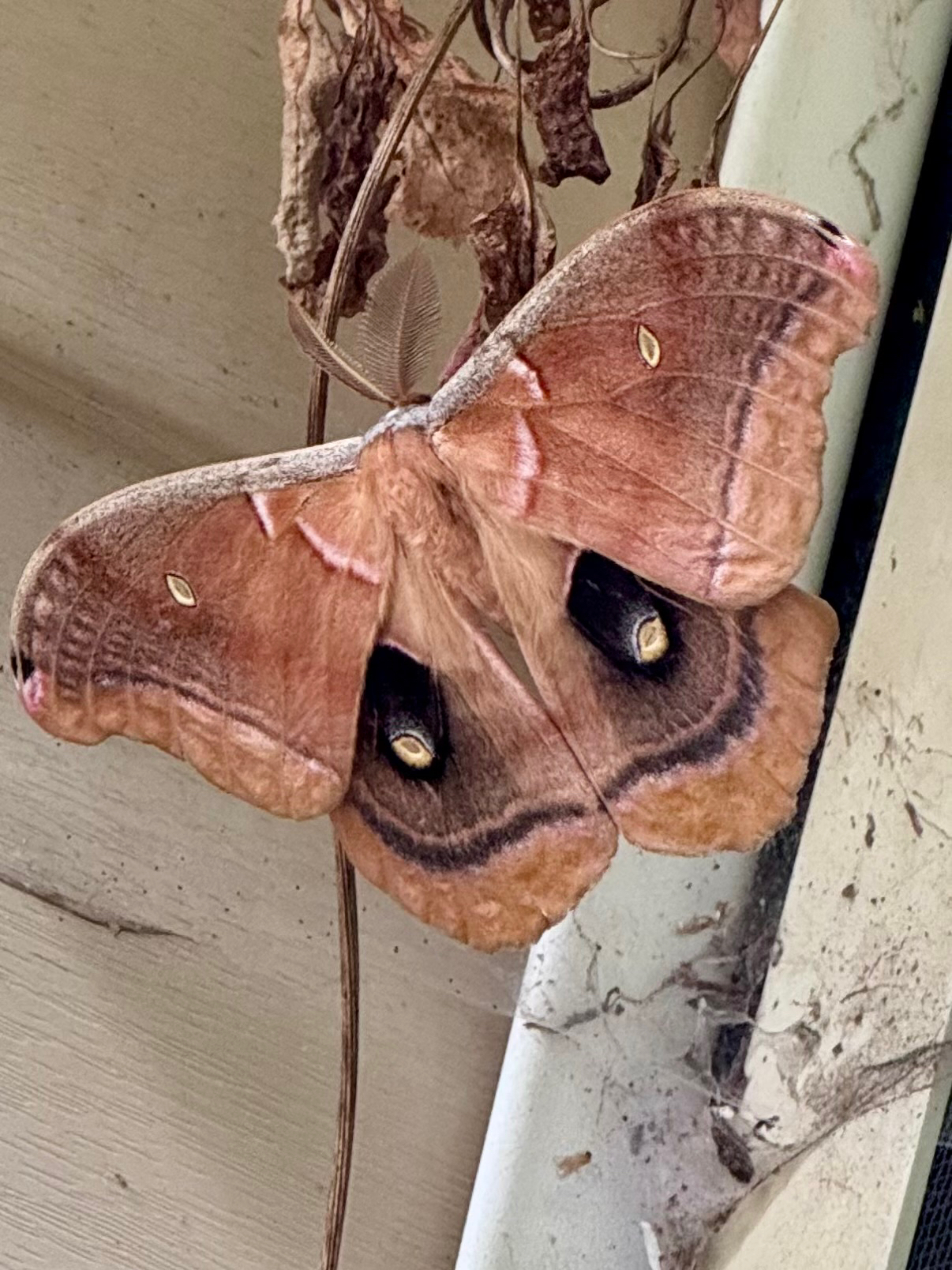 joshdaniel815 | joshdaniel815 | iNaturalist | http://creativecommons.org/licenses/by-nc/4.0/
Polyphemus Moth
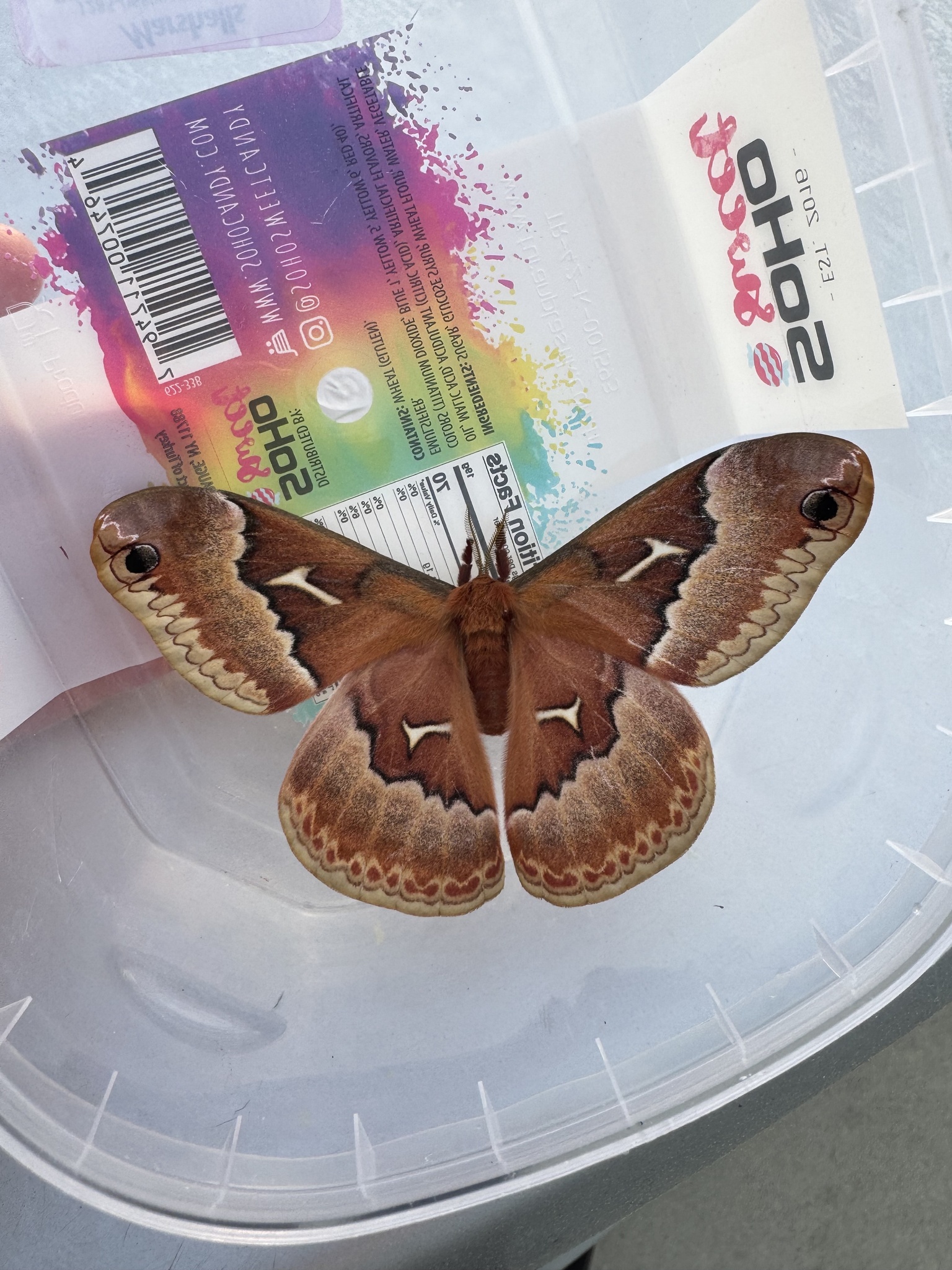 Claire Chapman | Claire Chapman | iNaturalist | http://creativecommons.org/licenses/by-nc/4.0/
Tulip Tree Silkmoth
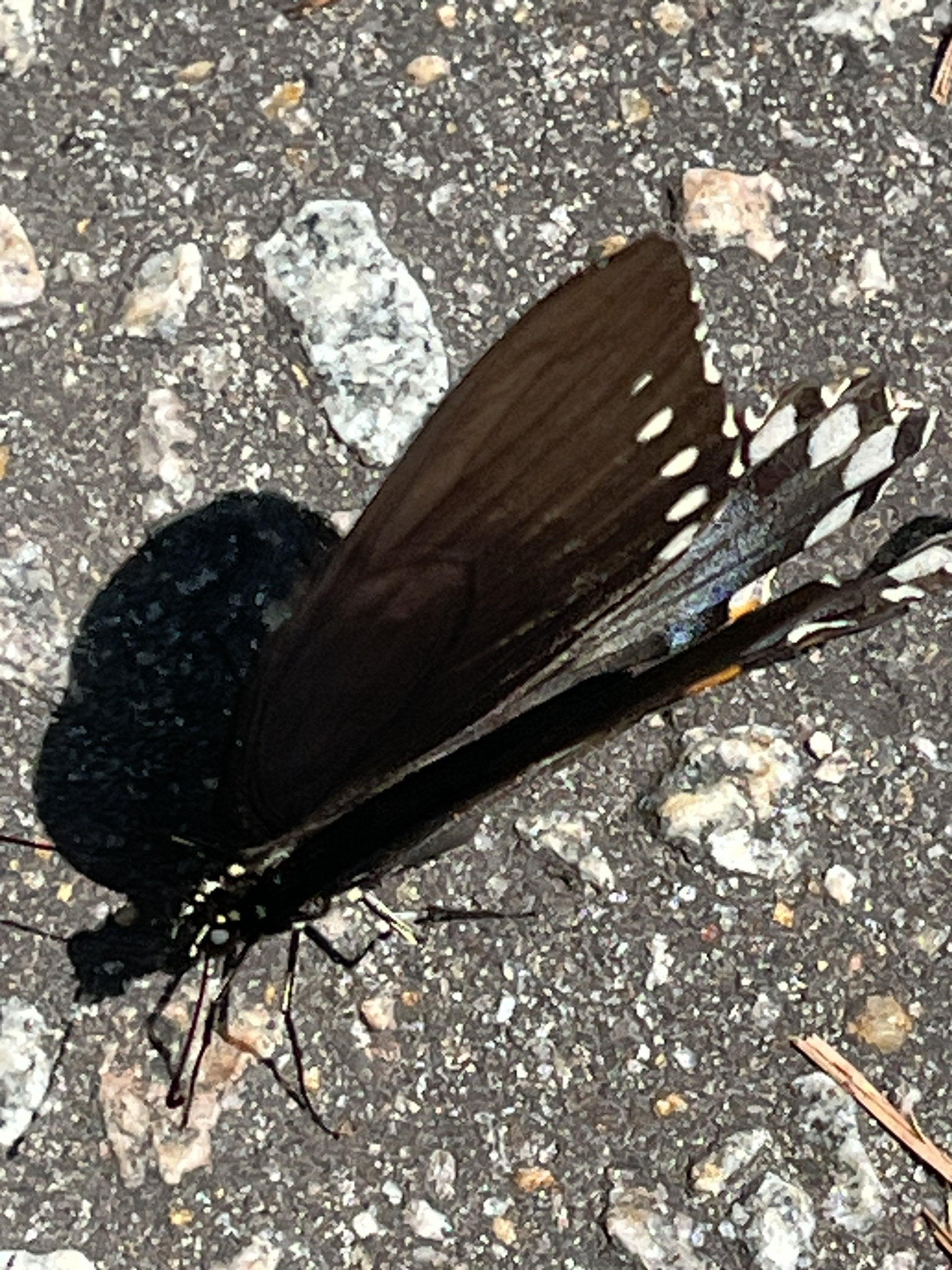 christinek3 | christinek3 | iNaturalist | http://creativecommons.org/licenses/by-nc/4.0/
Spicebush Swallowtail
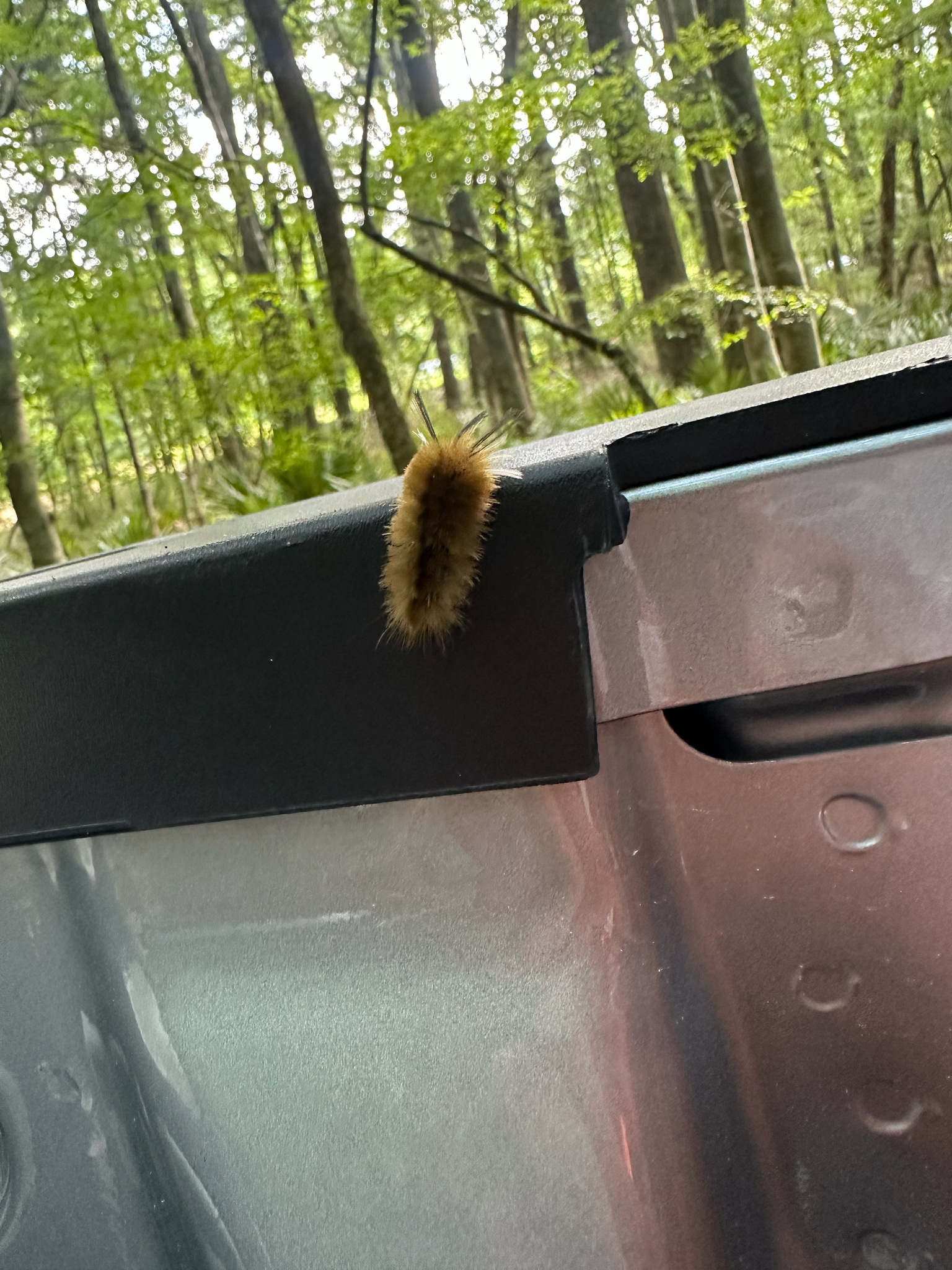 Ed | Ed | iNaturalist | http://creativecommons.org/licenses/by-nc/4.0/
Banded Tussock Moth
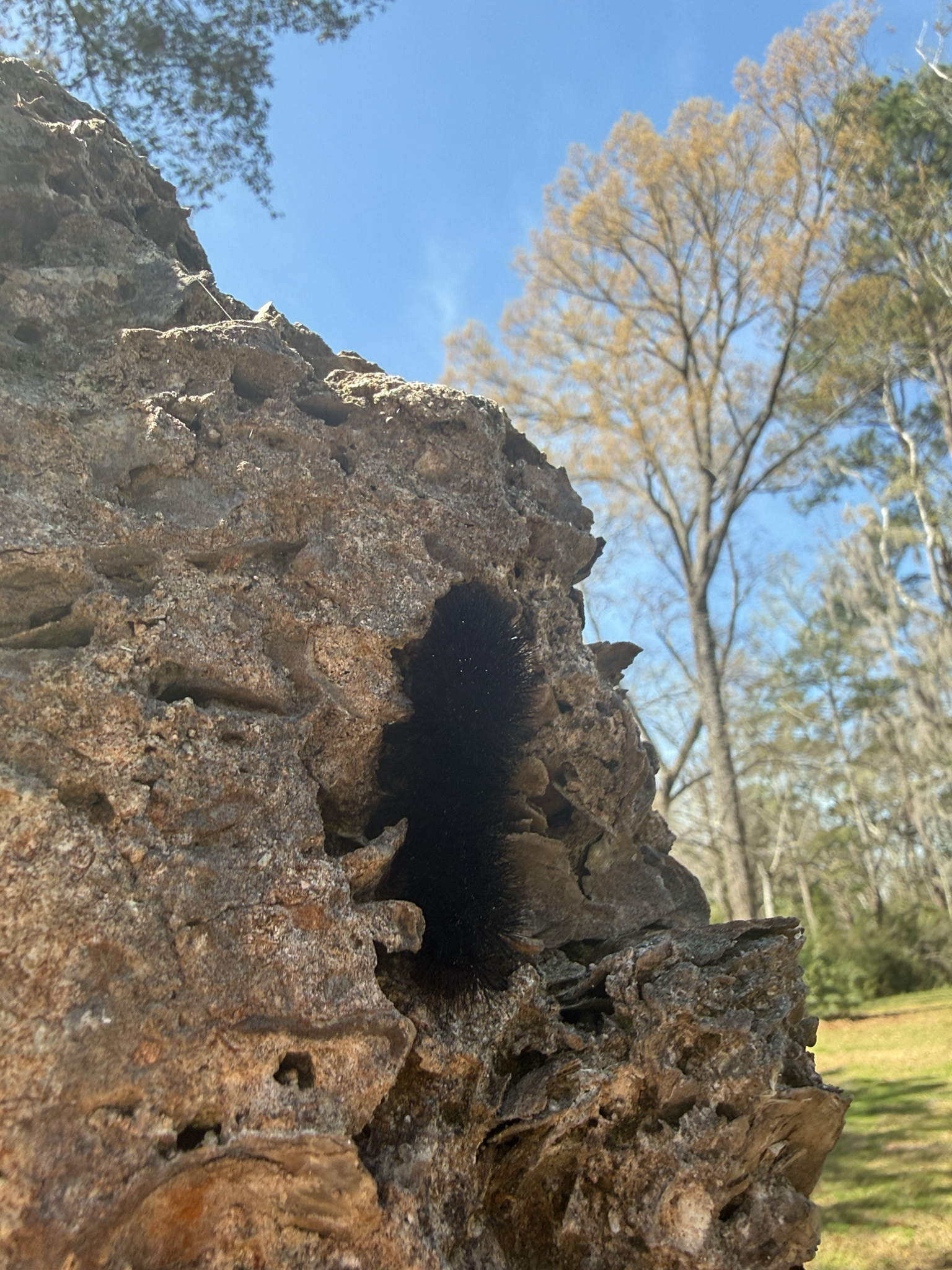 Jessica Finicle | Jessica Finicle | iNaturalist | http://creativecommons.org/licenses/by-nc/4.0/
Eyed Tiger Moth