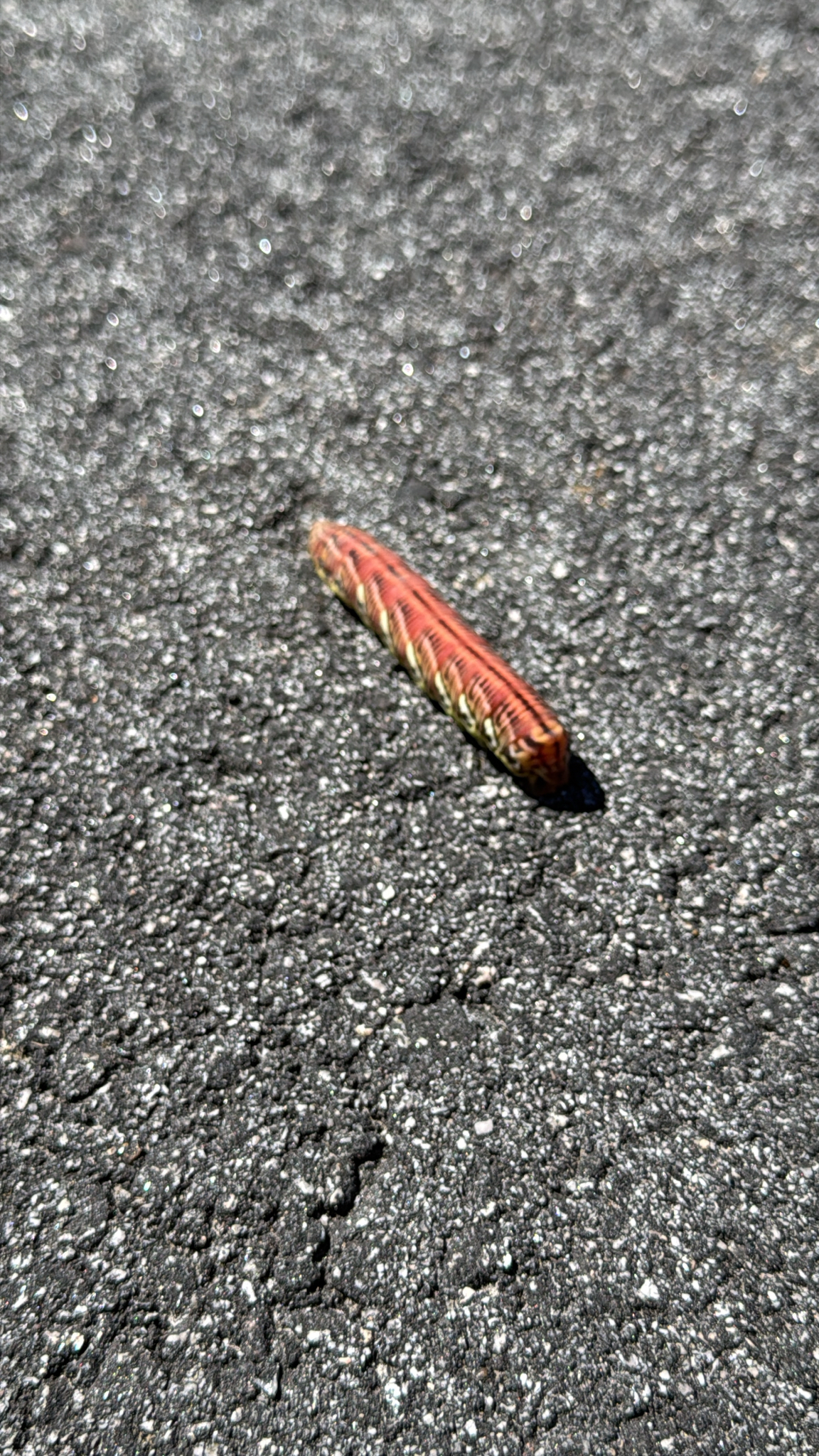
Banded Sphinx
The Banded Sphinx, scientifically known as Eumorpha fasciatus, is a fascinating species that can be spotted around Summerville, South Carolina. This remarkable moth, first described by Sulzer in 1776, is known for its striking appearance and unique characteristics. The Banded Sphinx features distinct bands across its wings, which serve as camouflage against predators, blending seamlessly with its surroundings. This nocturnal creature is primarily active at night, making it a rare sight during the day.
As a member of the Sphingidae family, the Banded Sphinx is often drawn to gardens and flowering plants, where it feeds on nectar. Its long proboscis allows it to reach deep into tubular flowers, making it an important pollinator in its ecosystem. The caterpillars of the Banded Sphinx are equally intriguing, often resembling twigs or leaves, which provides them with excellent protection against potential threats.
In Summerville, the Banded Sphinx can be observed fluttering around brightly colored blooms, particularly during the warmer months. Enthusiasts and casual observers alike may find joy in spotting this unique moth, appreciating its role in the local environment. The presence of the Banded Sphinx is a reminder of the rich biodiversity that thrives in the area, contributing to the vibrant tapestry of wildlife that characterizes South Carolina’s natural landscape.
| ID | 5123983 |
|---|---|
| Rank | species |
| Scientific Name | Eumorpha fasciatus Sulzer, 1776 |
| Common Name | Banded Sphinx |
| Attribution | joshdaniel815 | joshdaniel815 | iNaturalist | http://creativecommons.org/licenses/by-nc/4.0/ |
| First Seen | 26/09/2026 11:44 am |
| Last Seen | 26/09/2026 11:44 am |
| Total Observations | Yes |
| ID | Author Name | Date/Time | Location |
|---|---|---|---|
| 6869446699 | joshdaniel815 | September 26, 2026 11:44 am | 32.997573, -80.191399 |
Related Wildlife
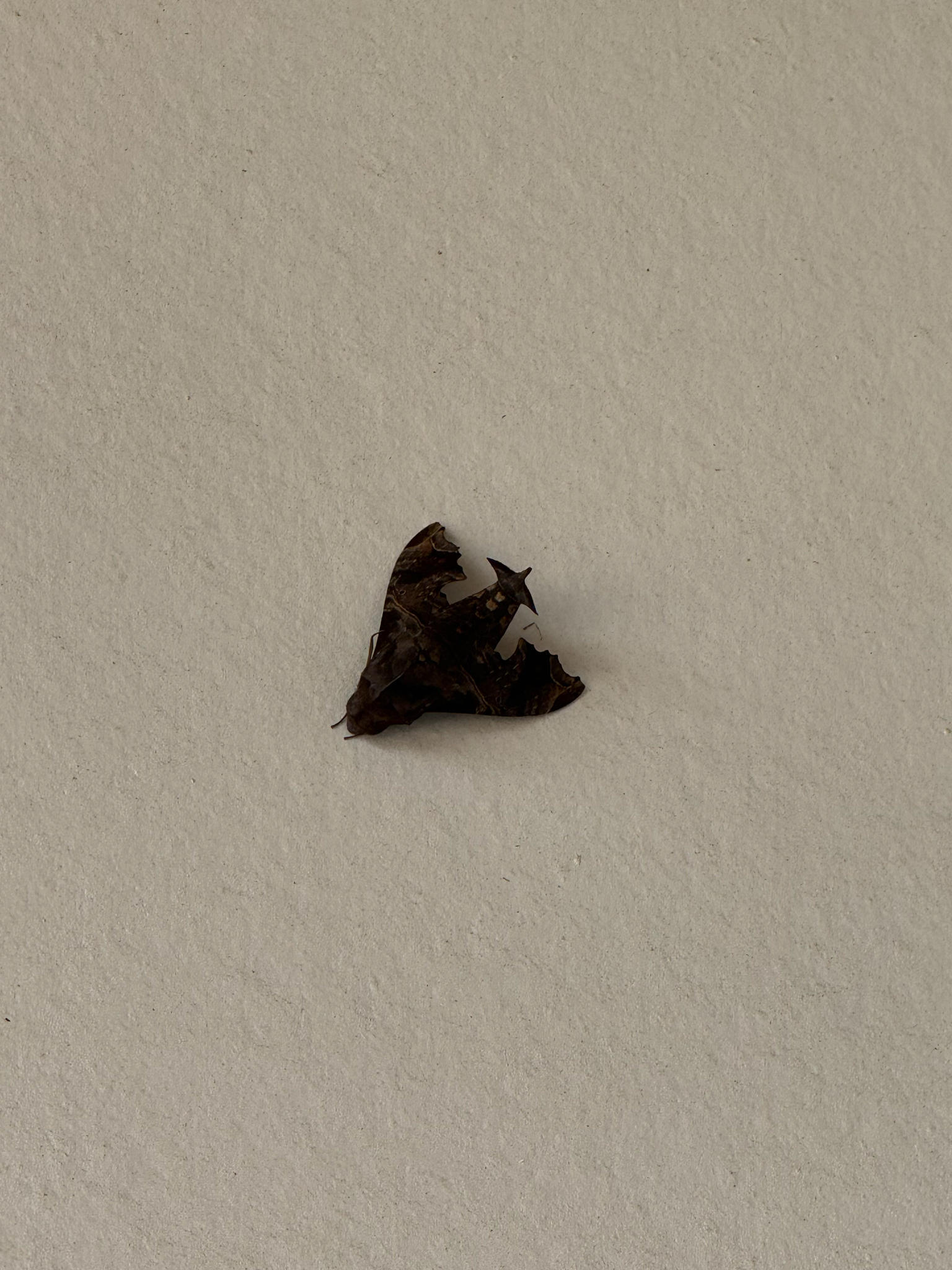 Lillian Bowers | Lillian Bowers | iNaturalist | http://creativecommons.org/licenses/by-nc/4.0/
Mournful Sphinx
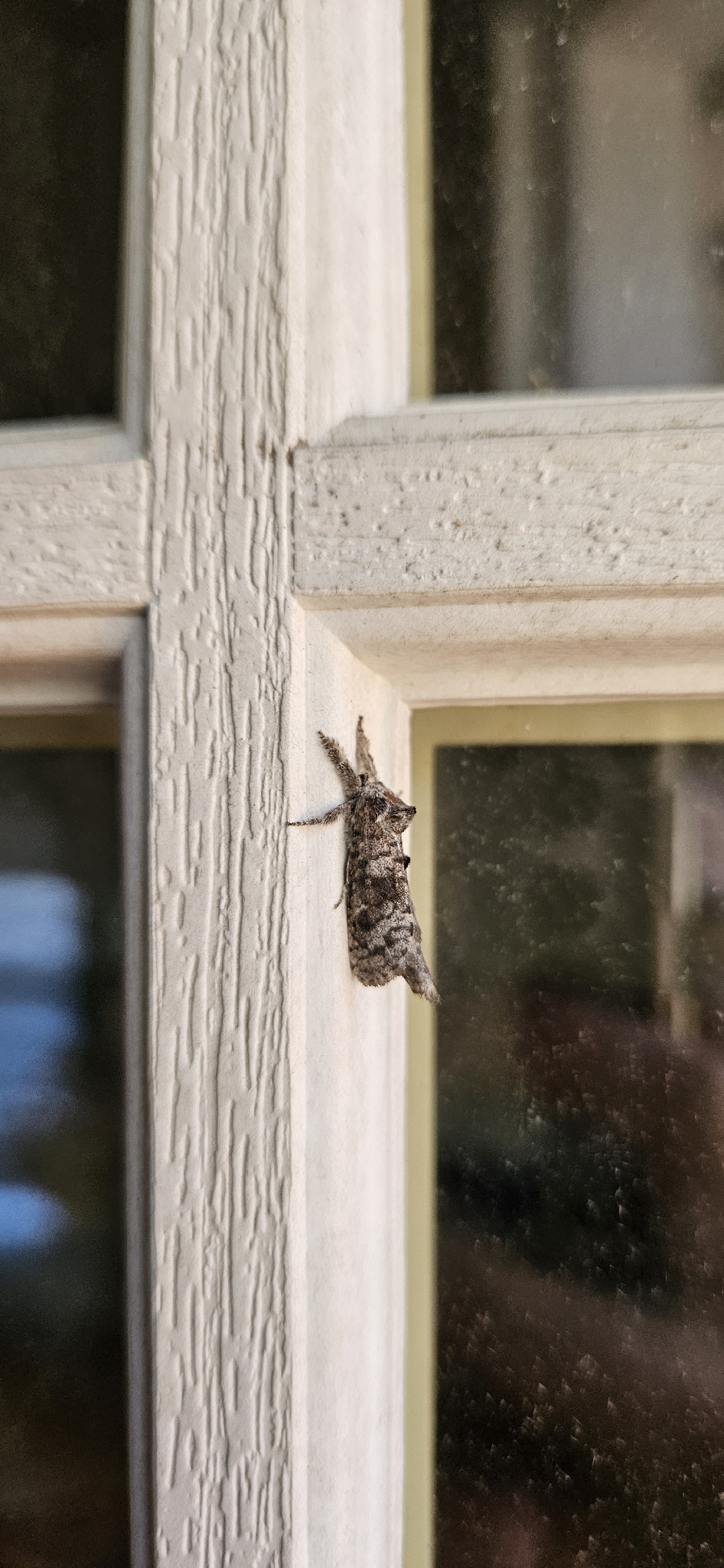 Alex Richards | Alex Richards | iNaturalist | http://creativecommons.org/licenses/by-nc/4.0/
Givira francesca
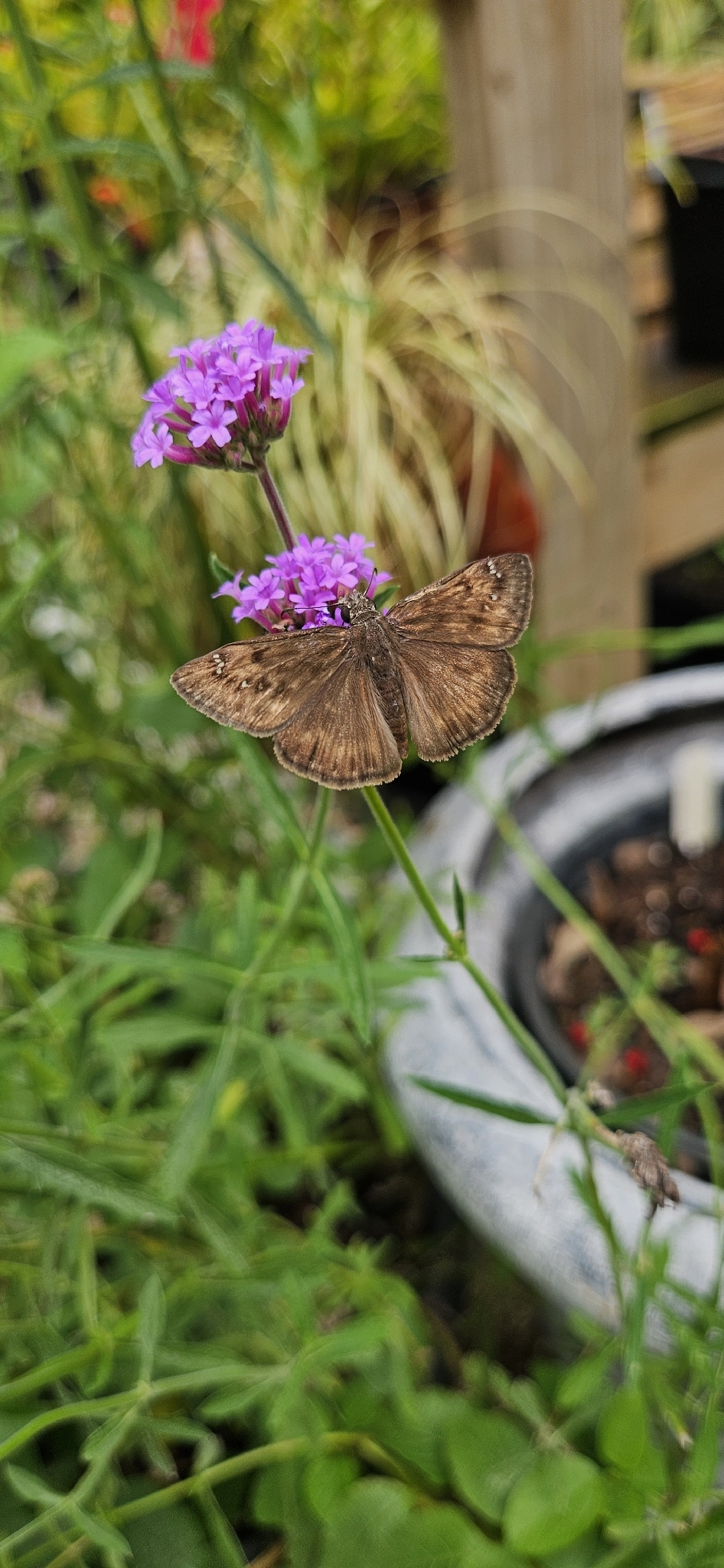 Alex Richards | Alex Richards | iNaturalist | http://creativecommons.org/licenses/by-nc/4.0/
Horace’s Duskywing
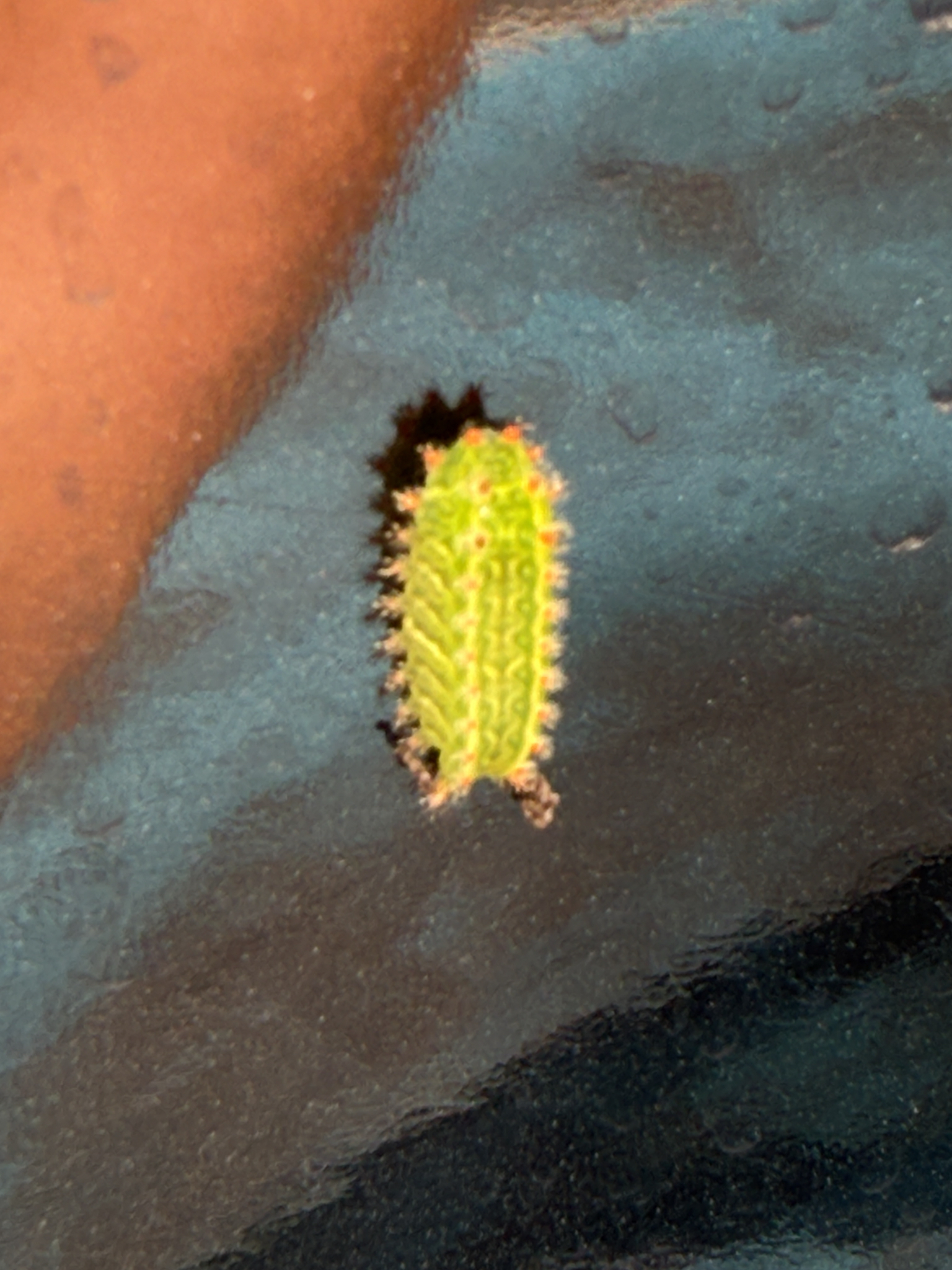 pharper18 | pharper18 | iNaturalist | http://creativecommons.org/licenses/by-nc/4.0/
Nason’s Slug
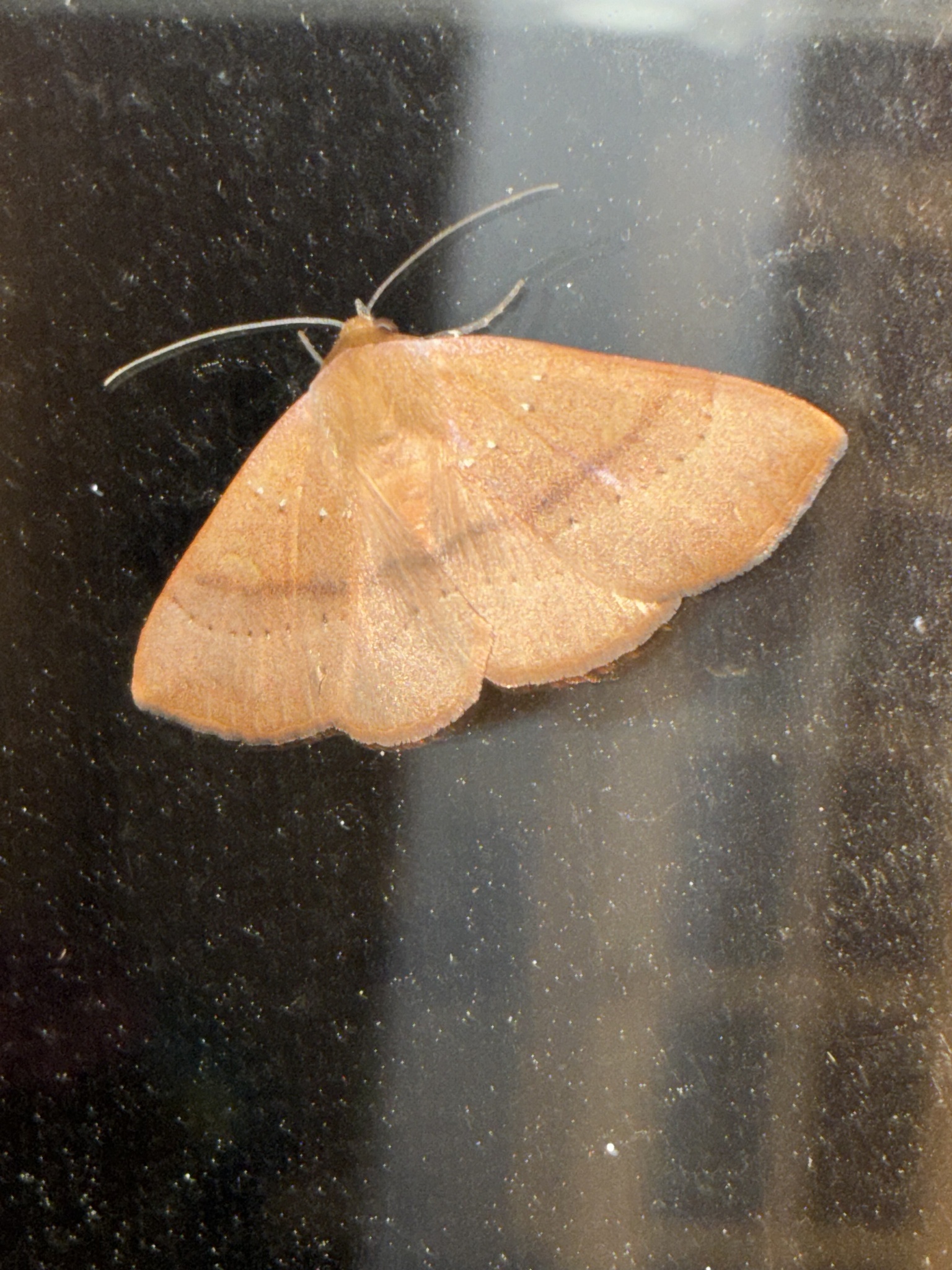 edhandler | edhandler | iNaturalist | http://creativecommons.org/licenses/by-nc/4.0/
Orange Panopoda