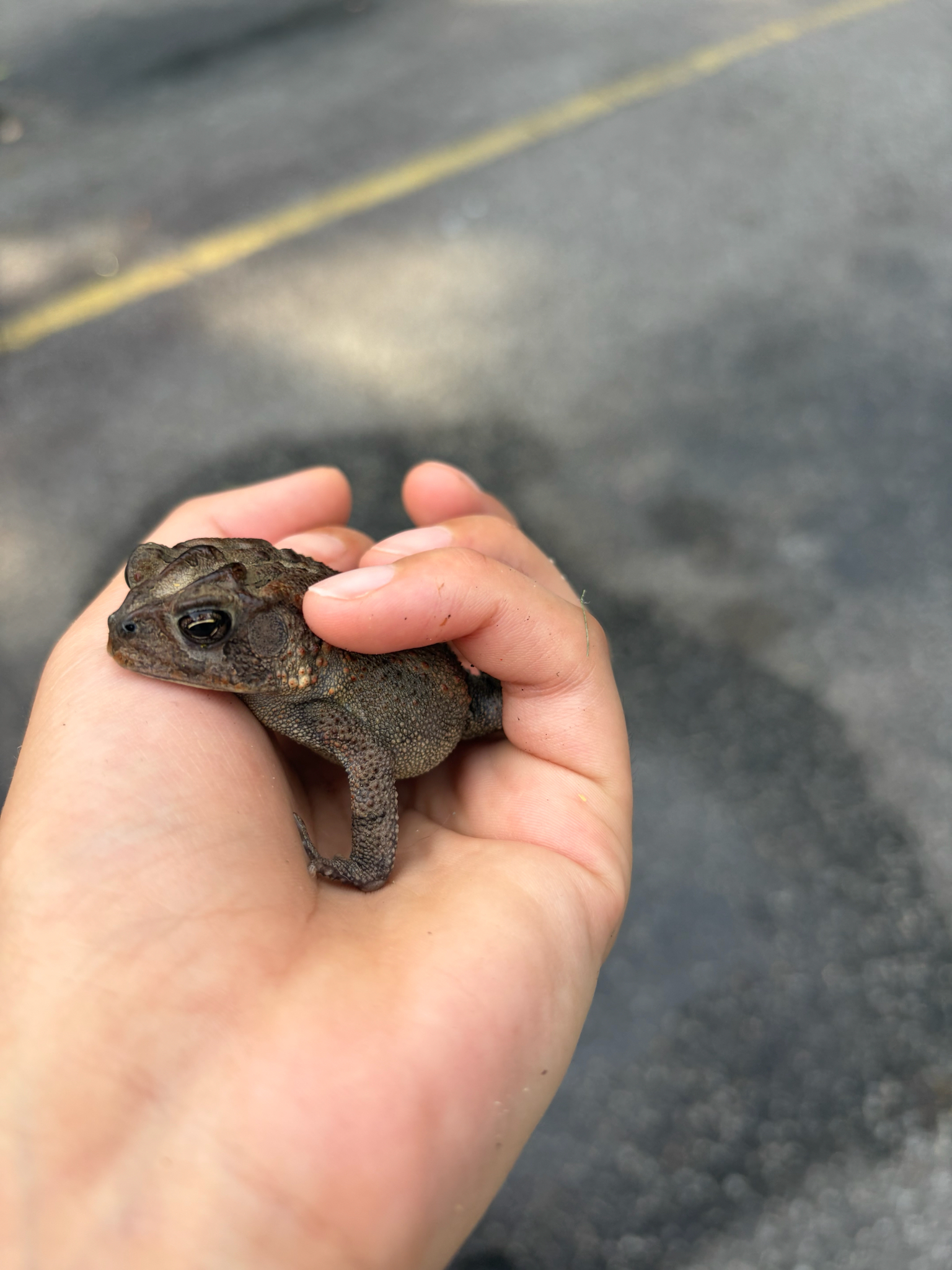
southern toad
The southern toad, scientifically known as Anaxyrus terrestris, is a fascinating amphibian that can be found in the Summerville, South Carolina area. This species is easily recognized by its distinctive appearance, featuring a robust body with dry, warty skin that varies in color from brown to gray, often with darker blotches. Adult southern toads typically reach lengths of about 3 to 4 inches, making them a moderately sized toad within their family.
Southern toads are primarily nocturnal, emerging at night to feed on a diet that includes insects, spiders, and other small invertebrates. Their opportunistic feeding habits make them beneficial for controlling pest populations in gardens and natural landscapes. They are also known for their unique vocalizations during the breeding season, where males emit a distinctive trill to attract females, creating a symphony of sounds in the wetlands and ponds of the region.
This species prefers habitats that include sandy or loamy soils, often found near wooded areas, fields, and gardens. During the breeding season, they are commonly seen near temporary ponds or pools where they lay their eggs. The southern toad plays an important role in the ecosystem, serving as both predator and prey, and contributes to the overall biodiversity of the area.
In Summerville, spotting a southern toad can be a delightful experience for nature enthusiasts, as they are a vital part of the local wildlife community. Their presence not only enriches the environment but also offers an opportunity to appreciate the unique amphibian life that thrives in this region of South Carolina.
| ID | 2422916 |
|---|---|
| Rank | species |
| Scientific Name | Anaxyrus terrestris (Bonnaterre, 1789) |
| Common Name | southern toad |
| Attribution | MaFer Armendariz | MaFer Armendariz | iNaturalist | http://creativecommons.org/licenses/by-nc/4.0/ |
| First Seen | 18/07/2026 9:41 am |
| Last Seen | 10/06/2026 9:02 am |
| Total Observations | 2 |
| ID | Author Name | Date/Time | Location |
|---|---|---|---|
| 6452485773 | krasik | July 18, 2026 9:41 am | 32.946817, -80.169463 |
| 6442016305 | MaFer Armendariz | June 10, 2026 9:02 am | 33.035675, -80.196725 |
Related Wildlife
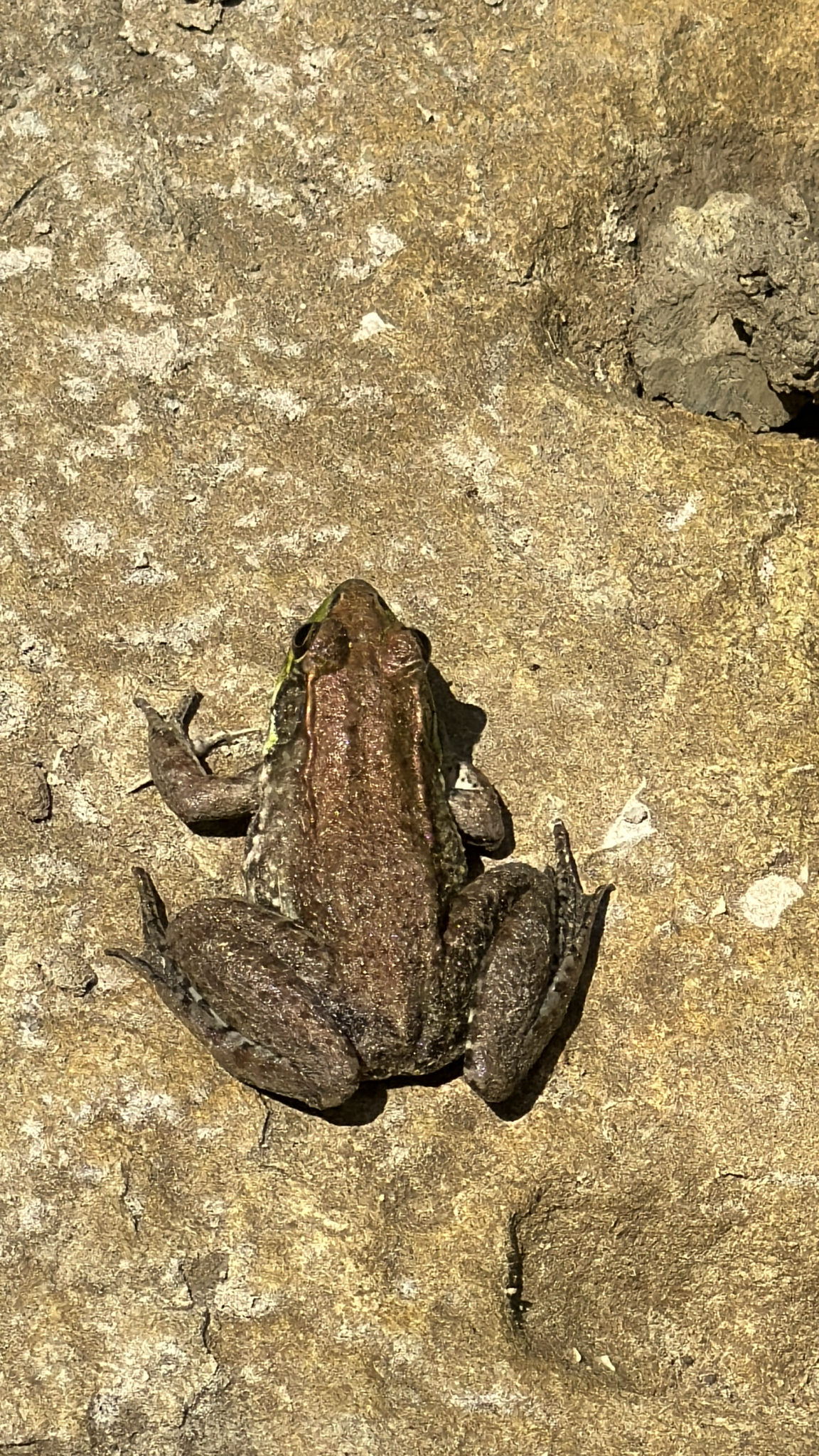 vottacystidiata | vottacystidiata | iNaturalist | http://creativecommons.org/licenses/by-nc/4.0/
Green Frog
Eastern narrowmouth toad
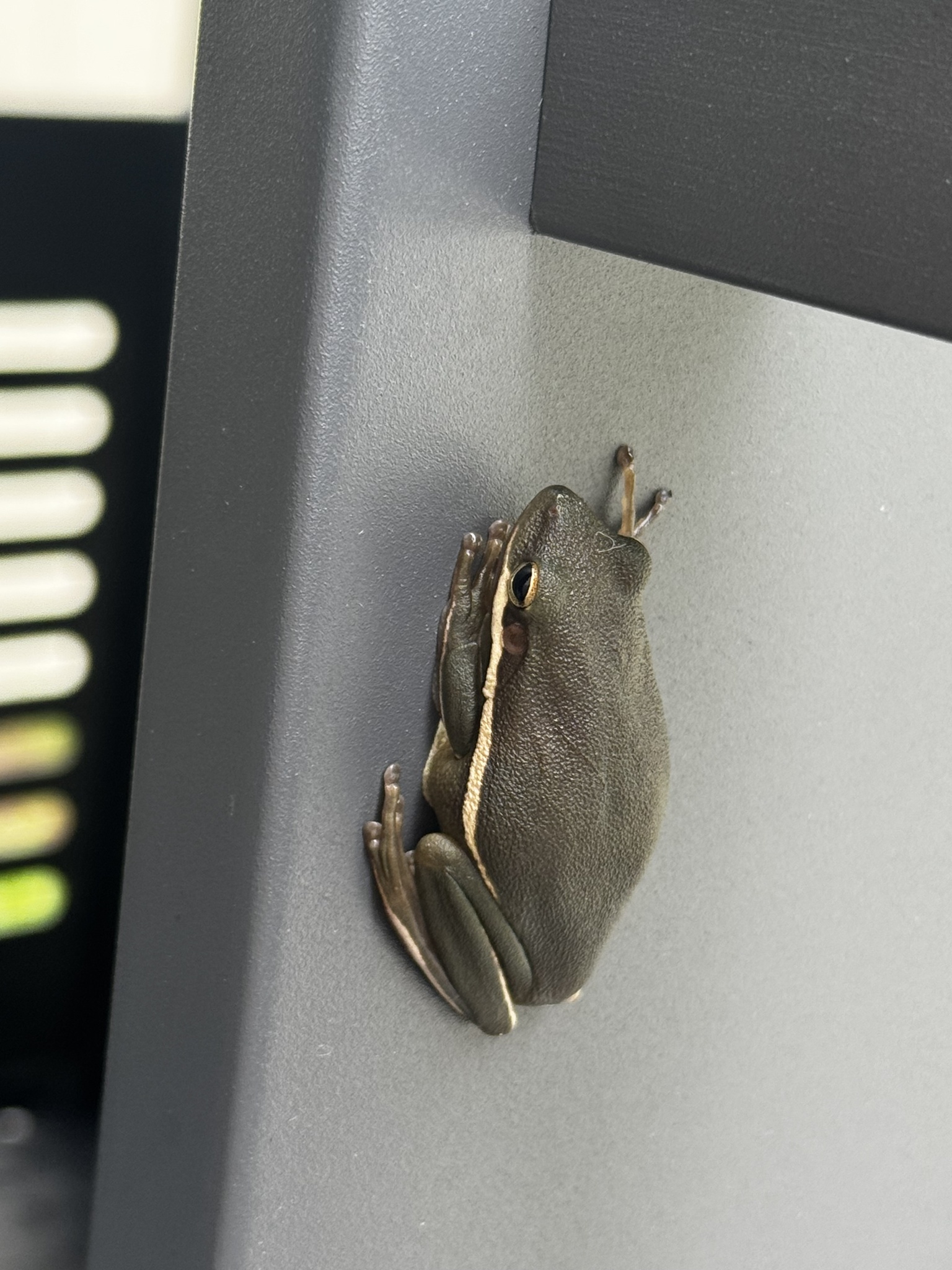 thekirstenholt | thekirstenholt | iNaturalist | http://creativecommons.org/licenses/by-nc/4.0/
Green Treefrog
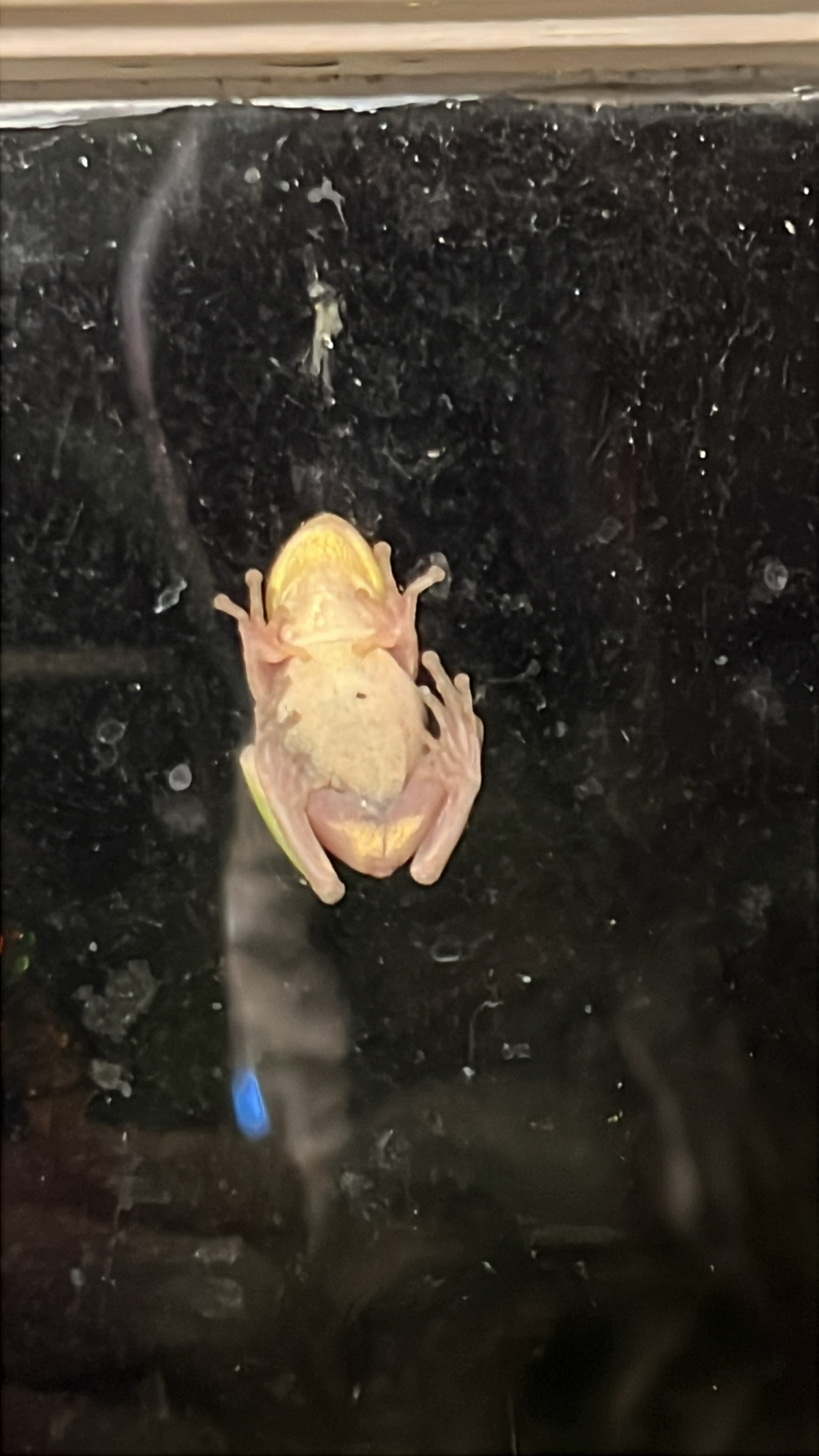 normal-horse | normal-horse | iNaturalist | http://creativecommons.org/licenses/by-nc/4.0/
Squirrel Treefrog
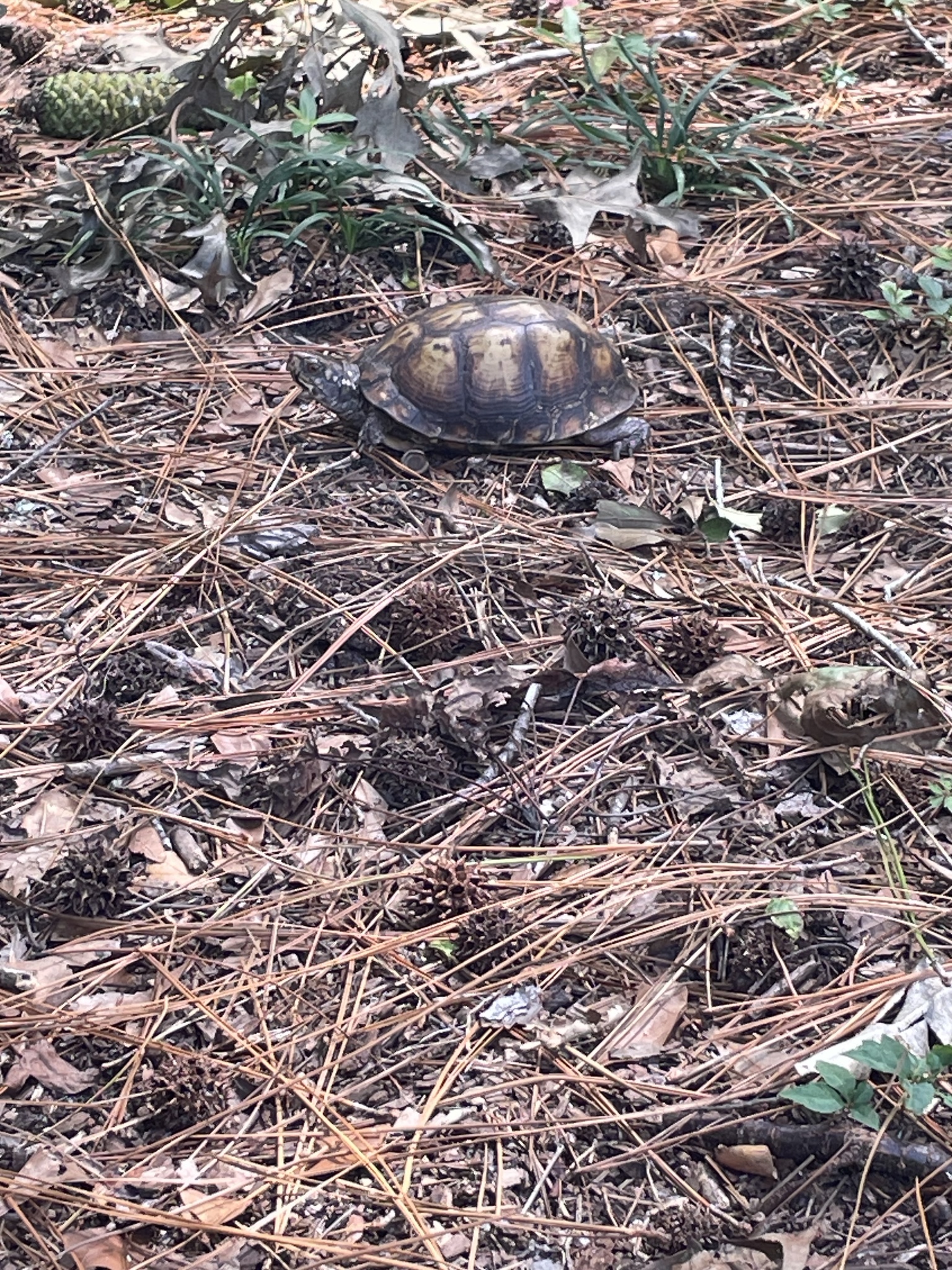 danijons | danijons | iNaturalist | http://creativecommons.org/licenses/by-nc/4.0/
Eastern Box Turtle